

Seifried
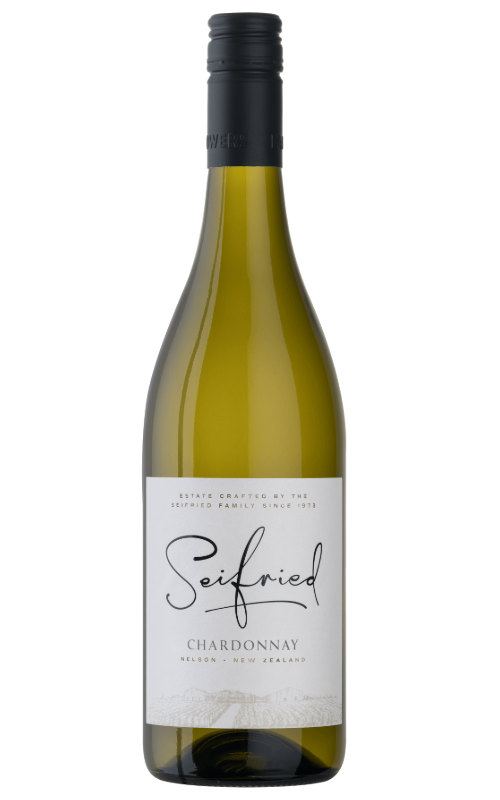
Seifried Nelson Chardonnay 2025
Seifried Nelson Chardonnay 2025
The Seifried Nelson Chardonnay 2025 shows inviting aromas of peach and melon alongside warm toasted caramelised nuts. The palate is supple, ripe, and full of stonefruit with subtle citrus characters, balanced by very gentle oak tannins and a generous fruit weight. Best enjoyed with seared scallops in garlic butter, pumpkin and lemon zest risotto, or simple roast chicken with all the trimmings.
Couldn't load pickup availability
Awards
Awards
90 Points (4.5 Stars) - Sam Kim, Wine Orbit May 2026 90 Points - Cameron Douglas MS, September 2026
Wine Analysis
Wine Analysis
Vineyard: Seifried Rabbit Island & Brightwater vineyards
Date of Harvest: mid March 2025
pH of Wine: 3.58
T.A of Wine: 4.9g/L
Residual Sugar of Wine: Dry
Alcohol: 13.5%
Suitable for Vegetarians and Vegans: Yes
The Vineyard
The Vineyard
Our Rabbit Island vineyard is situated on a wide river flat, about 1.5km from the sea, which helps moderate temperatures. The soil is gravelly sandy loam, which marks the sites of Māori kūmara (sweet potato) beds prior to European settlement in the early 1800s. The Māori transferred and spread fine gravel and sand over the land to provide suitable soils for their kūmara plantings. Scrub was burned to give ash and charcoal, which increased soil fertility and characteristic topsoil. This fertility is now considerably reduced due to modern farming. The soils are, however, very sandy and free-draining. The water table is relatively high, ensuring adequate underground water.
Our Brightwater vineyard lies about 15km from the coast and is nestled under the Richmond Ranges on the southern end of the Waimea Plains. The soil is a combination of rocks and river boulders, which is hard on farm equipment but vital for holding the warmth of Nelson’s sun and ripening grapes. Low nutrient and water levels in the vineyard help to restrict plant vigour, producing fruit with lively, concentrated flavour. To further enhance aromatics, we remove leaves to allow light penetration and air movement around the fruiting zone.
Winemaker's Notes
Winemaker's Notes
The 'hen and chicken' berries of the Mendoza clone of Chardonnay used in this blend gives full tropical flavours. The fruit was harvested, brought to the winery and pressed immediately then cooled for a three day settling period.
Following this, the juice was racked and warmed for inoculation. Primary alcoholic fermentation was initiated in stainless steel tanks, then the young wine was gravity fed into one, two and three-year-old French barriques. In spring 2025 the Chardonnay then underwent malolactic fermentation in barrel. Barrels were hand stirred regularly to build palate weight and structure. The wine then sat on its yeast lees for a total of 12 months before being racked from barrique, blended and prepared for bottling in April 2026.

"An inviting nose shows peach and melon notes together with warm toasted caramelised nuts. The palate is supple, ripe and full of stonefruit and hints of citrus characters. Very gentle oak tannins balance the generous fruit weight."
Heidi Seifried-Houghton, Winemaker
